
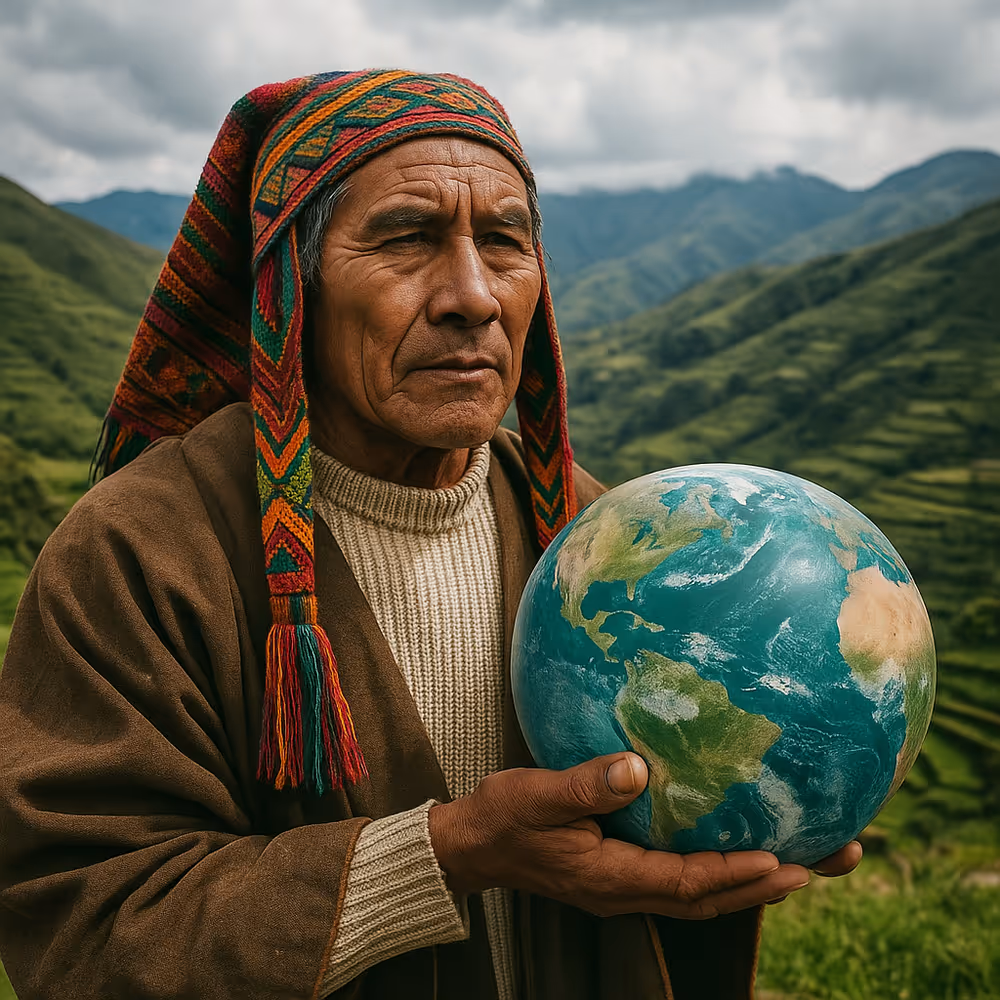
When people talk about climate change, the conversation usually defaults to policy summits, carbon markets, and cutting-edge technology.
But long before satellites and spreadsheets, communities around the world developed indigenous knowledge systems (IKS) to thrive in their environments.
These systems — rooted in observation, community, and spirituality — remain among the most tested and adaptive models of resilience.
As someone from Kenya’s coast, I’ve seen firsthand how sacred forests like the Kaya protected biodiversity and identity for centuries.
The truth is simple: climate action is incomplete without indigenous wisdom at the table.
What We Mean by Indigenous Knowledge Systems 🪶
IKS is not folklore.
It is:
- 🌱 Holistic: Connecting land, people, and spirit.
- 🔄 Adaptive: Refined through centuries of trial and error.
- 🤝 Collective: Anchored in community survival, not individual profit.
- 📚 Dynamic: Evolving with changing climates, not static “tradition.”
For too long, it has been sidelined, treated as “supplementary” to Western science rather than as an equal partner.
Regional Knowledge Systems in Action 🌍
Africa 🌍
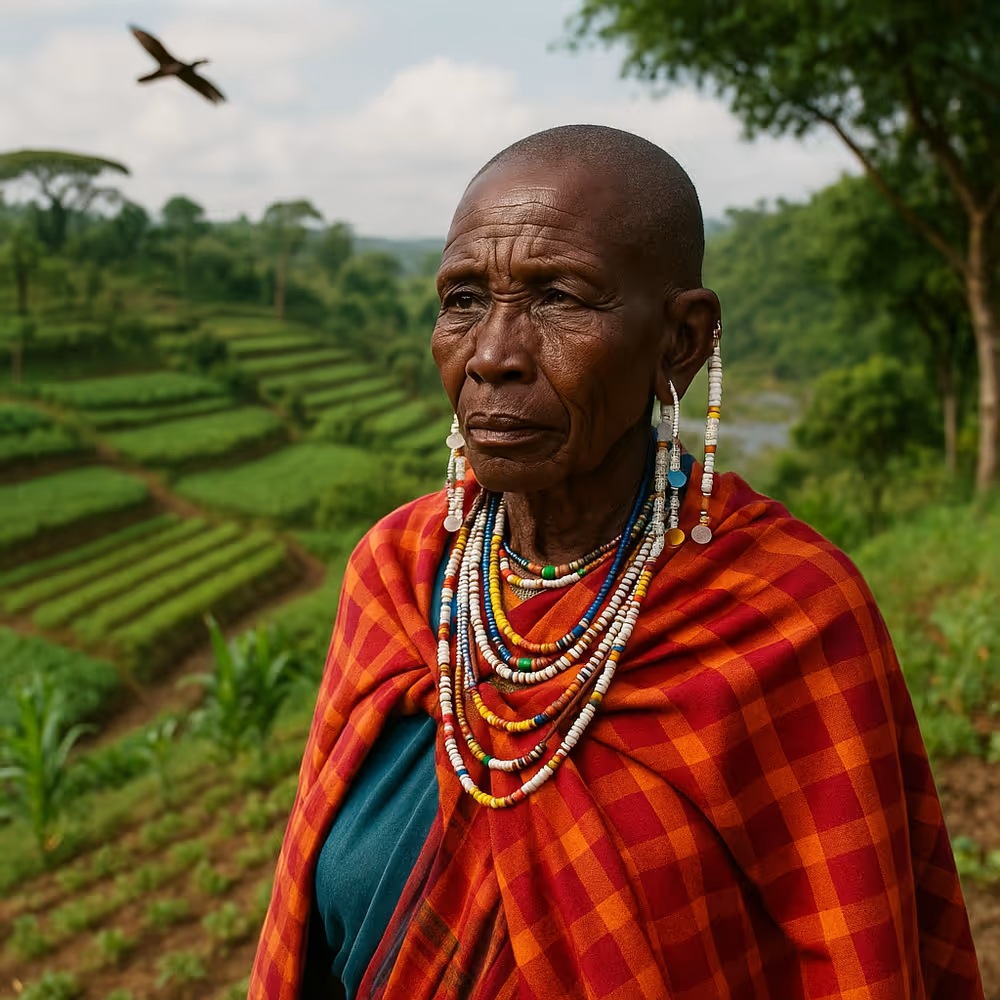
Pastoralist Weather Forecasting: Maasai and Sahelian communities predict rains by observing bird migrations, wind shifts, and tree flowering. These techniques often outperform official forecasts.
Agroforestry: The Giriama and Kikuyu integrate trees into their croplands, thereby building soil fertility and creating microclimates.
Sacred Forests: Kaya groves along the coast preserve biodiversity and cultural heritage, acting as natural carbon sinks.
Asia-Pacific 🌊
Ifugao Rice Terraces (Philippines): Ingenious water management techniques prevent erosion and sustain agriculture across steep terrain.
Pacific Islanders: Rotational fishing and “tabu” (temporary no-fishing zones) regenerate marine ecosystems.
Northern Australia: Aboriginal “cool burns” reduce wildfire intensity and maintain biodiversity.
The Americas 🌎

Andean Ayllu: Collective governance of land and water through terracing and crop rotation, resilient against erratic rainfall.
Amazon Agroforestry: “Forest gardens” of mixed crops sustain food security while protecting biodiversity.
Native American Fire Practices: Controlled burns used for centuries are now reviving wildfire management strategies in California.
Arctic & Northern Regions ❄️
Inuit Knowledge of Ice: Reading snow and ice patterns to forecast safe travel routes, complementing satellite data.
Sámi Reindeer Herding: Seasonal migrations guided by intimate knowledge of ecology, crucial for Arctic sustainability.
The Problem: Why These Voices Are Still Marginalized ⚖️
Despite their proven resilience, indigenous voices are often tokenized in climate talks.
- 🌍 Land grabs and extractive projects displace indigenous communities.
- 🏛️ Climate frameworks like COP give them symbolic slots, not real decision-making power.
- 🛑 Western science “cherry-picks” indigenous practices (like fire management) without acknowledging governance, rights, or reciprocity.
This is not just climate injustice.
It’s epistemic injustice.
Fresh POVs: What Indigenous Knowledge Teaches Us ✨
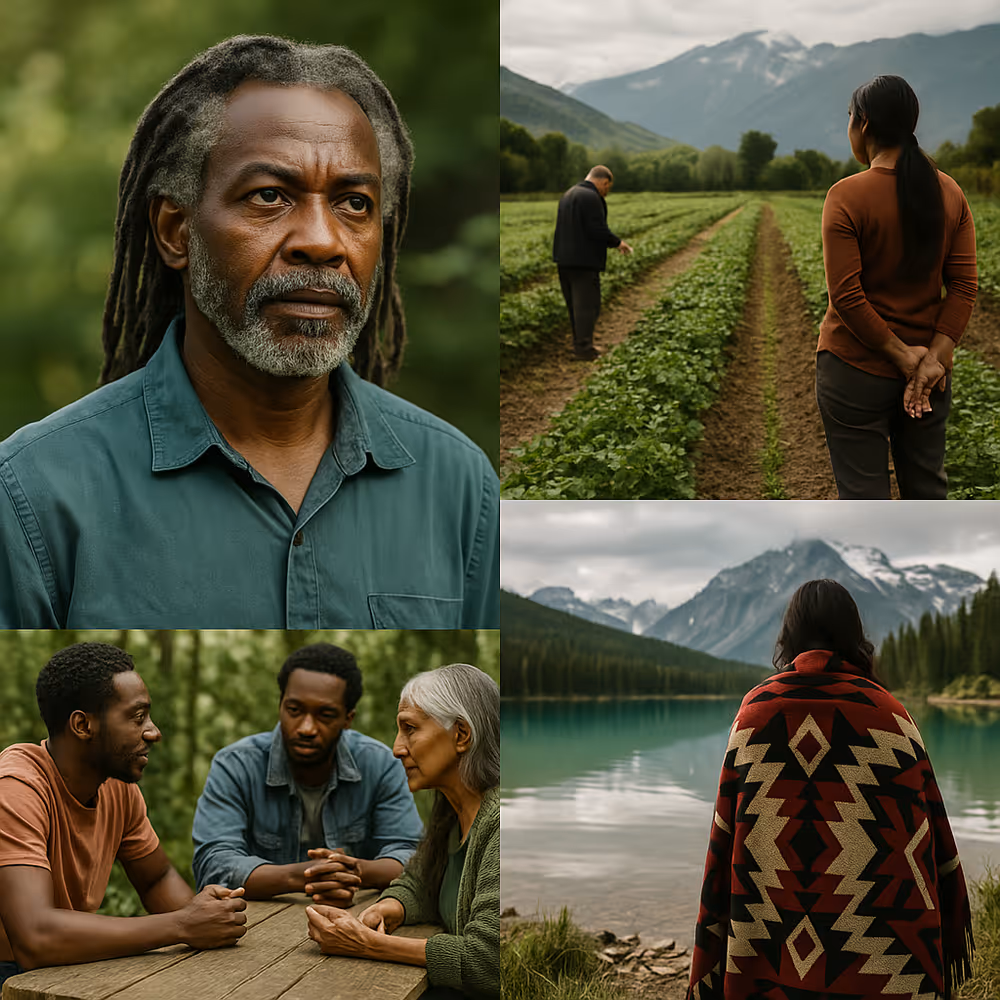
Systems Thinking: Climate can’t be siloed; it’s about food, water, culture, and spirit together.
Intergenerational Stewardship: The “seven generations” principle vs. short-term policy cycles.
Adaptation, Not Domination: Indigenous systems adapt to uncertainty; Western systems try to control it.
Spiritual Ecology: Seeing land and seas as kin, not commodities, reframes sustainability itself.
Community-First Approaches: Collective decisions embed resilience deeper than top-down policies.
Actionable Insights: How to Embed IKS in Climate Solutions 🧰
- Policy Integration: Make indigenous leaders co-authors of climate strategies, not side consultants.
- Land Rights Recognition: Secure indigenous tenure — deforestation drops significantly where communities manage their land.
- Knowledge Co-Production: Pair AI forecasting with local indicators (winds, insects, flowering).
- Redirect Climate Finance: Fund indigenous-led initiatives directly.
- Education & Storytelling: Bring indigenous narratives into climate education, museums, and media.
Case Studies: Indigenous Climate Solutions Making Global Impact 📖
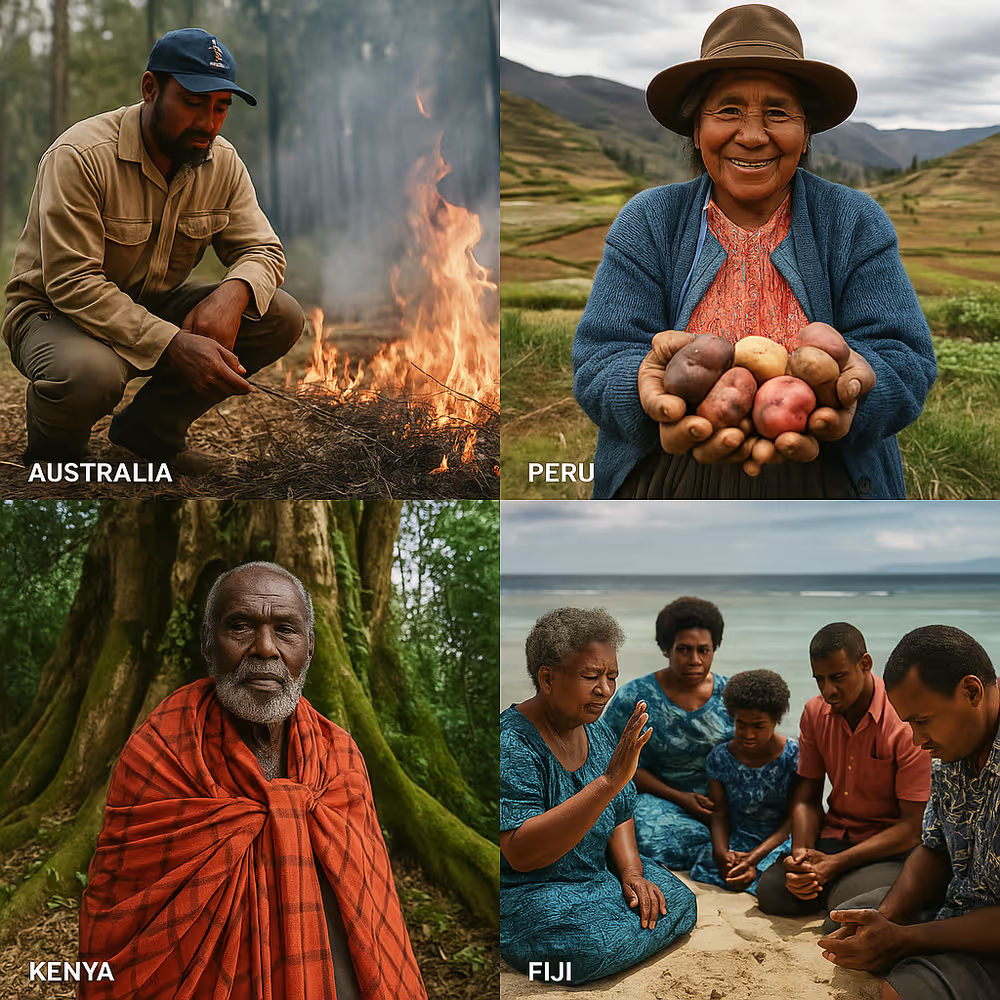
Australia: Indigenous fire management now saves millions annually in wildfire costs.
Peru: Potato Park conserves 650 - 1,200 potato varieties through Andean traditions.
Kenya:
Kaya forests show how cultural reverence protects ecosystems.Fiji: Tabu marine systems regenerate coral reefs under climate stress.
Conclusion: Walking Together Toward a Resilient Future 🧭
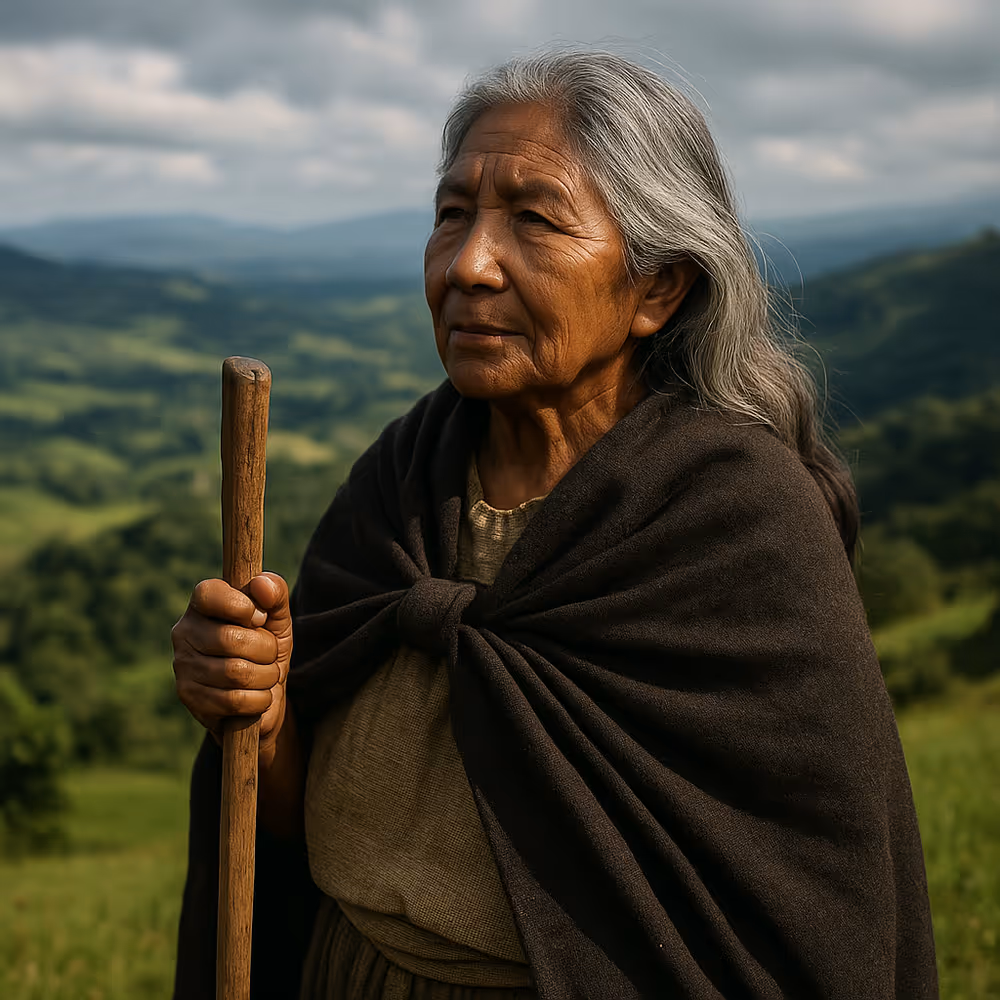
Indigenous knowledge isn’t nostalgia.
It’s a roadmap to resilience.
If we want to survive the century, we must walk hand in hand: satellites and sacred stories, data and dances, science and spirituality.
Climate change is not just a technological challenge.
It’s a civilizational one.
And civilizations thrive when they listen to their elders. 🌍
0 Comments
Leave a comment